
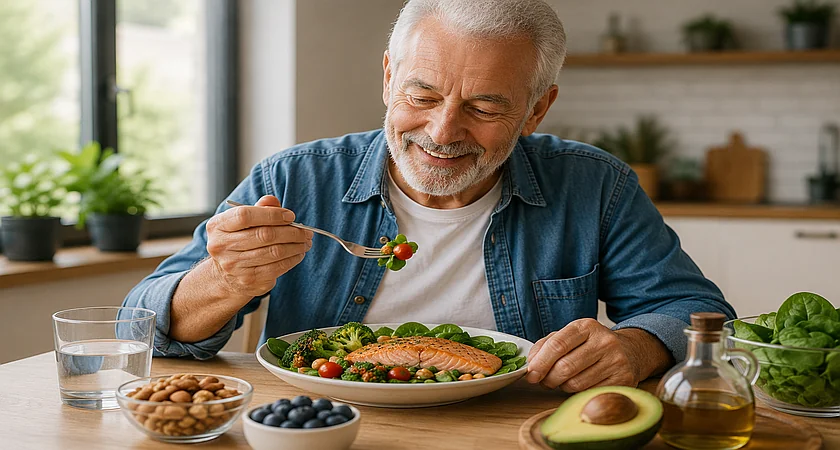
7 Cholesterol-Lowering Foods to Add to Your Plate
Some of the most heart-friendly meals on the planet are also the most delicious: a bright bowl of oats topped with berries, a fresh salad loaded with beans and avocado, grilled fish with a squeeze of lemon. Choosing cholesterol-lowering foods doesn’t have to feel like a sacrifice — it can feel like a celebration of real food.
These foods work in different ways: some carry cholesterol out of the body, some improve the type of fat in your blood, and some block cholesterol from being absorbed. Here’s what to add to your plate — and why it works.
- Soluble fiber (oats, beans, fruit) helps carry cholesterol out of the body.
- Swapping saturated fats for healthy oils, nuts and fish improves LDL.
- Plant sterols can lower LDL further.
- Food works best as a pattern — and some people still need medication.
LDL vs. HDL: a quick refresher
Cholesterol travels through your blood in particles called lipoproteins. LDL is often called “bad” cholesterol because high levels contribute to plaque build-up in the arteries. HDL is called “good” cholesterol because it helps carry cholesterol back to the liver to be removed.
Most food strategies focus on lowering LDL. Interestingly, Harvard Health points out that avoiding foods high in cholesterol isn’t the best way to lower your LDL — adding the right foods and limiting saturated fat matters more.
How food affects cholesterol
Harvard Health explains that different foods help in three main ways: soluble fiber binds cholesterol in the digestive system and removes it, polyunsaturated fats lower LDL (“bad”) cholesterol, and plant sterols and stanols block cholesterol absorption.
1. Oats and barley
A bowl of oatmeal is one of the simplest swaps you can make. Oats and barley are rich in soluble fiber. Current guidelines suggest 20 to 35 grams of fiber a day, with at least 5 to 10 grams from soluble fiber — and most Americans get about half that.
2. Beans and lentils
Beans are especially rich in soluble fiber, and they keep you full for a long time. Add them to soups, salads or swap them in for some of the meat in chili or tacos.
3. Nuts
Almonds, walnuts and peanuts are good for the heart. Eating about two ounces of nuts a day can slightly lower LDL, by around 5%. Keep portions in mind — nuts are calorie-dense.
4. Fatty fish
Salmon, sardines and mackerel replace meat that’s higher in saturated fat and deliver omega-3 fats that support heart health. Aim for fish a couple of times a week.
5. Healthy oils instead of butter
Cooking with olive oil or canola oil instead of butter or lard is an easy way to shift the balance of fats in your diet.
6. Fruits rich in pectin
- Apples
- Grapes
- Strawberries
- Citrus fruits
Pectin is a type of soluble fiber, so these fruits work in a similar way to oats.
7. Foods with added plant sterols
Some spreads, juices and yogurts are fortified with plant sterols or stanols. Harvard Health notes that two grams a day can lower LDL by about 10%.
What to limit
- Fried foods and fast food
- Processed meats
- Refined carbs like white bread and pastries
- Large amounts of butter and full-fat cheese
Cholesterol, blood sugar and blood pressure work together
Heart health is a team effort. The same fiber-rich eating pattern also supports steady blood sugar and healthy blood pressure — see our guides to healthy blood sugar habits and lowering blood pressure naturally.
Cholesterol-lowering foods at a glance
| Food | How it helps | Easy way to eat it |
|---|---|---|
| Oats and barley | Soluble fiber binds cholesterol | Oatmeal breakfast, barley in soups |
| Beans and lentils | Rich in soluble fiber | Chili, salads, lentil soup |
| Nuts | Healthy fats; can modestly lower LDL | A small handful as a snack |
| Fatty fish | Replaces saturated-fat meats; omega-3s | Salmon or sardines twice a week |
| Olive or canola oil | Better fat balance than butter | Cooking and salad dressings |
| Apples, citrus, berries | Pectin (soluble fiber) | Fruit with breakfast or as dessert |
| Sterol-fortified foods | Block cholesterol absorption | Fortified spreads or yogurt drinks |
On plant sterols, Mayo Clinic reports that 2 grams a day can lower LDL cholesterol by 5% to 15%. And Cleveland Clinic notes that nuts and seeds work best when they replace other crunchy, salty snacks, not when they’re added on top.
Your cholesterol-friendly grocery list
Pantry
- Rolled or steel-cut oats
- Barley, brown rice, quinoa
- Dried or canned beans and lentils (rinse canned ones)
- Unsalted nuts and seeds — almonds, walnuts, chia, flax
- Extra-virgin olive oil
Fridge and freezer
- Leafy greens, broccoli, carrots, peppers
- Apples, oranges, berries (fresh or frozen)
- Salmon, sardines or trout
- Plain yogurt
- Avocados
3 easy cholesterol-friendly meals
Overnight oats
Mix half a cup of oats with milk or yogurt, a spoonful of chia seeds and berries. Leave it in the fridge overnight — breakfast is ready when you wake up, with a solid dose of soluble fiber.
Lentil and vegetable soup
Simmer lentils with carrots, celery, onion, garlic, canned tomatoes and herbs. Make a big pot on Sunday and you have fiber-rich lunches for half the week.
Sheet-pan salmon
Place salmon fillets and chopped vegetables on a tray, drizzle with olive oil, season with lemon and garlic, and bake for about 15–20 minutes. Serve with brown rice or barley.
None of these meals require special ingredients or cooking skills — and that’s exactly what makes them easy to repeat.
Common mistakes
- Cutting fat entirely. Swapping fat for refined carbs doesn’t help — the goal is better fats, not no fat.
- Relying on one “superfood.” A bowl of oatmeal won’t offset a diet full of fried and processed food.
- Overdoing healthy foods. Nuts, oils and avocado are calorie-dense; portions still matter.
- Ignoring exercise and weight. Diet works best together with regular activity.
A 7-day cholesterol-friendly plan
- Day 1: Switch breakfast to oatmeal with fruit.
- Day 2: Replace butter with olive oil when cooking.
- Day 3: Have a bean- or lentil-based lunch.
- Day 4: Swap chips for a small handful of nuts.
- Day 5: Eat fish for dinner.
- Day 6: Replace processed meat with chicken, fish or beans.
- Day 7: Take a 30-minute walk and plan next week’s meals.
Frequently asked questions
How fast can diet lower cholesterol?
Many people see changes in their cholesterol numbers within a few months of consistent changes. Your doctor can recheck your levels to see how you’re doing.
Are eggs bad for cholesterol?
For most people, the bigger issue is saturated fat and overall diet pattern rather than dietary cholesterol alone. If you have high cholesterol or diabetes, ask your doctor how many eggs are right for you.
Can I lower cholesterol with diet alone?
Sometimes, especially if levels are mildly elevated. Some people — for example those with very high LDL or a family history — also need medication. Your doctor can help decide.
Is coconut oil healthy for cholesterol?
Coconut oil is high in saturated fat. Most experts suggest using olive or canola oil more often.
The bottom line on cholesterol-lowering foods
Forget the idea of a perfect diet. Fill your kitchen with color — fruit, vegetables, beans, nuts, good olive oil — and build meals you genuinely look forward to. Start with breakfast, share meals with people you love, and let good food become a daily pleasure. If your cholesterol is high, keep your doctor in the loop: food helps, and some people also need medication.
Sources
- Harvard Health — 11 foods that lower cholesterol
- Harvard Health — 5 foods that fight high cholesterol
- Mayo Clinic — Cholesterol: Top foods to improve your numbers
- Cleveland Clinic — Cholesterol-lowering foods to try
- Harvard Health — 11 foods that can help lower your cholesterol
Medical disclaimer: this content is for informational purposes only and is not a substitute for professional medical advice. Read more.