7 Healthy Blood Sugar Habits You Can Start Today
Picture a slow Sunday morning: coffee on the porch, sunlight warming your shoulders, a bowl of fresh fruit and yogurt in your hands. You feel light, energized and ready for the day. That steady, feel-good energy has a lot to do with something we rarely think about — and building a few healthy blood sugar habits is one of the best ways to keep it.
The good news? It doesn’t take strict diets or giving up the foods you love. It’s about a handful of simple, joyful habits — moving your body outdoors, eating colorful real food, sleeping well — that add up to more energy and a better mood every single day.
Here are seven habits you can start this week.
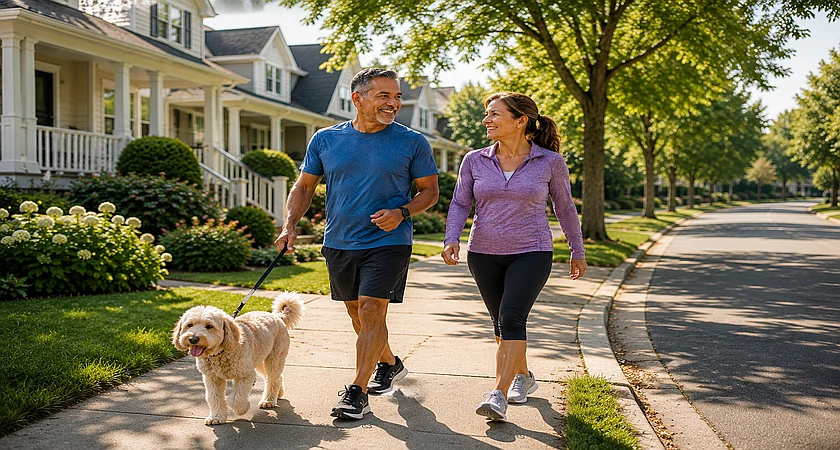
- Short walks after meals are one of the easiest ways to soften blood sugar spikes.
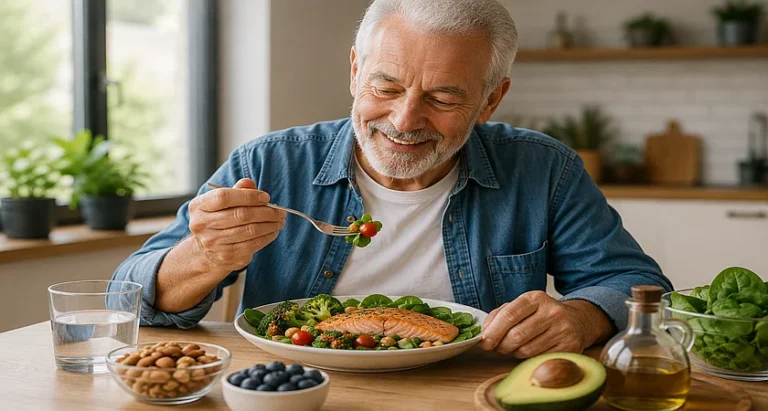
- Eating vegetables and protein before carbs leads to a gentler rise.
- Strength training, sleep and stress management all play a role.
- Habits come first; supplements are optional extra support.
Why steady blood sugar matters
Every time you eat, your blood sugar rises and your body releases insulin to move that glucose into your cells for energy. That’s completely normal. The problem is frequent, sharp spikes followed by crashes — the pattern that leaves you hungry, tired and craving sweets an hour or two after a meal.
Over time, a lifestyle that keeps blood sugar on a roller coaster makes your body work harder to manage glucose. Smoothing out those peaks helps you feel better day to day and supports long-term metabolic health.
Signs your meals may be spiking your blood sugar
- Feeling sleepy or foggy soon after eating
- Strong cravings for sweets later in the day
- Getting hungry again shortly after a meal
- Energy that swings up and down through the afternoon
These signs aren’t a diagnosis — they’re just clues that your routine might benefit from the habits below. If you have symptoms like excessive thirst, frequent urination or unexplained weight loss, see your doctor.
1. Take a short walk after meals
Your muscles use glucose for energy, so light movement right after eating helps your body handle the rise in blood sugar that follows a meal. Research reviews have found that even a short walk of a few minutes after eating has a measurable effect, with the benefit seen in the 60 to 90 minutes after the meal. A 10–15 minute walk after dinner is an easy place to start.
2. Eat fiber and protein first
The order you eat your food matters more than most people think. Starting a meal with vegetables and protein, and leaving bread, rice or pasta for last, tends to produce a gentler rise in blood sugar than eating the carbs first — a study published in Diabetes Care found significantly lower post-meal glucose when carbs were eaten last.
Easy swap: begin lunch with a side salad or a handful of vegetables before the main dish.
3. Add strength training twice a week
Muscle is one of the body’s biggest users of glucose, and the CDC recommends at least 150 minutes of moderate activity plus two days of muscle-strengthening each week. Two short sessions — squats, push-ups, resistance bands — help build and maintain muscle, especially after 40, when muscle mass naturally starts to decline.
4. Protect your sleep
Poor sleep affects the hormones that control appetite and how your body responds to insulin. Most adults do best with seven or more hours a night. A consistent bedtime and less screen time before bed are the simplest places to start.
5. Drink water instead of sugary drinks
Sodas, juices and sweetened coffees are among the fastest ways to spike blood sugar. Water, sparkling water or unsweetened tea keep you hydrated without the sugar load.
6. Manage stress
Stress hormones like cortisol can raise blood sugar. You don’t need an hour of meditation — five minutes of slow breathing, a walk outside or a phone-free break can help bring stress down during the day.
7. Consider extra nutritional support
Habits come first, but some people also like to add a daily supplement as part of their routine. Several ingredients — such as chromium, cinnamon and gymnema — have been studied for their role in glucose metabolism, though results vary and research is still ongoing.
One option that combines several of these ingredients in a single capsule is GlucoTrust.
GlucoTrust — what it is
GlucoTrust is a dietary supplement that, according to the manufacturer, includes ingredients such as gymnema, chromium, cinnamon, biotin and licorice root, formulated to support healthy blood sugar levels already within the normal range, alongside a balanced diet and regular exercise.
It is not a replacement for medication or medical advice. If you take any medication or have a health condition, talk to your doctor before trying it.
*These statements have not been evaluated by the Food and Drug Administration. This product is not intended to diagnose, treat, cure or prevent any disease.
Common mistakes that cause blood sugar spikes
- Skipping breakfast, then overeating later. Long gaps often lead to large, carb-heavy meals.
- Drinking your sugar. Juice, soda and sweet coffee drinks hit your bloodstream fast, with no fiber to slow them down.
- “Naked” carbs. Crackers, white bread or fruit eaten alone raise blood sugar faster than when paired with protein or healthy fat.
- Sitting right after big meals. A few minutes of light movement makes a real difference.
- Late-night snacking. Eating close to bedtime can disturb sleep, which affects next-day blood sugar.
Smart swaps for steadier energy
| Instead of… | Try… | Why it helps |
|---|---|---|
| Sugary cereal | Oatmeal with nuts and berries | More fiber and protein slow digestion |
| White bread sandwich | Whole-grain bread or a lettuce wrap | Fewer fast-acting refined carbs |
| Soda or juice | Sparkling water with lemon | No sugar load |
| Chips as a snack | A handful of almonds or Greek yogurt | Protein and fat keep you full longer |
| Pasta as the whole meal | Half pasta, half vegetables, plus protein | Smaller carb portion, gentler rise |
A simple 7-day starter plan
- Day 1: Take a 10-minute walk after dinner.
- Day 2: Keep the walk and swap one sugary drink for water.
- Day 3: Eat your vegetables first at lunch and dinner.
- Day 4: Add a protein to breakfast (eggs, yogurt, nuts).
- Day 5: Do 10 minutes of bodyweight exercises: squats, wall push-ups.
- Day 6: Go to bed 30 minutes earlier and leave the phone outside the bedroom.
- Day 7: Review the week — keep the two habits that felt easiest.
What a blood-sugar-friendly day can look like
- Breakfast: two eggs with spinach and a slice of whole-grain toast, or Greek yogurt with berries and walnuts
- Lunch: a big salad first, then grilled chicken with quinoa and roasted vegetables
- Snack: an apple with peanut butter or a handful of almonds
- Dinner: salmon, a large portion of vegetables and a small serving of brown rice — followed by a 10–15 minute walk
- Evening: herbal tea and lights out at a consistent time
Notice the pattern: every meal combines protein, fiber and healthy fat, carbs are present but not the whole plate, and movement follows the biggest meal of the day.
Frequently asked questions
What is the fastest way to steady blood sugar after a meal?
For most people, a short walk is the simplest tool. Even a few minutes of light walking after eating can soften the rise in blood sugar.
Do I need to cut out carbs completely?
No. Most people do better focusing on the type and amount of carbs — whole grains, beans, fruit — and pairing them with protein, fiber and healthy fats.
Are supplements necessary for healthy blood sugar?
No supplement replaces the habits in this article. Some people choose to add one as extra support; if you do, talk to your doctor first, especially if you take medication.
How long does it take to see a difference?
Effects like steadier energy after meals can show up within days. Longer-term changes take weeks to months of consistency. If you’re concerned about your blood sugar, ask your doctor about testing.
The bottom line on healthy blood sugar habits
You don’t need to overhaul your life overnight. Start with the easiest win — a sunset walk after dinner, a colorful plate at lunch — and let the good feelings build momentum. Your body loves rhythm, sunshine and real food. Give it a little more of each, and it will thank you with steadier energy, better sleep and a brighter mood.
Sources
- CDC — Adult Activity: An Overview
- UCLA Health — Taking a walk after eating can help with blood sugar control
- Diabetes Care (2015) — Food Order Has a Significant Impact on Postprandial Glucose and Insulin Levels
Medical disclaimer: this content is for informational purposes only and is not a substitute for professional medical advice. Read more.