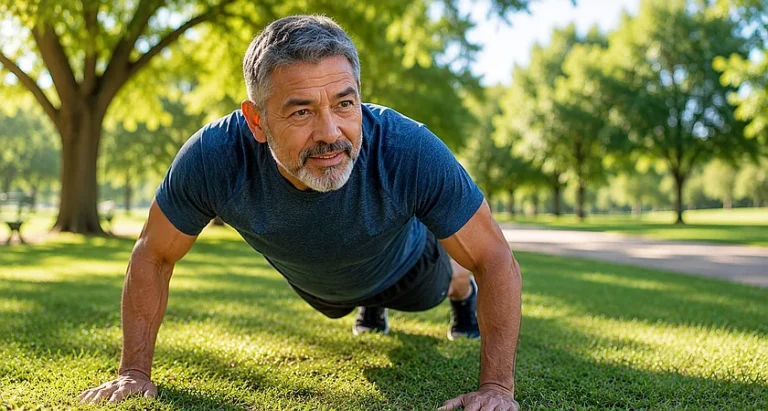

5 Healthy Habits for Longevity, Backed by Research
Think about the people you know who seem to age beautifully. Chances are they’re out walking in the morning, eating fresh home-cooked food, laughing with friends and soaking up the sun. There’s no secret formula — just healthy habits for longevity, repeated with joy for years.
And science backs it up. Below are the five habits researchers have linked to a longer life, plus simple ways to make them part of a happy everyday routine.
- A Harvard study linked five habits to more than a decade of extra life expectancy.
- The habits: healthy diet, regular exercise, healthy weight, moderate alcohol, no smoking.
- Even one healthy habit was associated with a lower risk of early death.
- It’s never too late to start.
What the research found
A Harvard study that followed more than 120,000 adults for about three decades found that five healthy habits during adulthood may add more than a decade to life expectancy. At age 50, life expectancy was estimated at 93 for women and 87 for men who followed all five habits, compared with 79 and 75 for those who followed none.
The study was observational, so it can’t prove cause and effect — but it lines up with decades of similar research.
The 5 habits linked to a longer life
1. Eat a healthy diet
Plenty of vegetables, fruit, whole grains, nuts and fish; less processed meat, sugar and refined carbs.
2. Exercise regularly
The researchers counted at least 30 minutes a day of moderate to vigorous activity — brisk walking included. See our guide to exercise after 50 for an easy weekly plan.
3. Keep a healthy weight
Weight is influenced by all the other habits on this list, which is why focusing on routines usually works better than strict dieting.
4. Drink alcohol only in moderation
If you drink, keep it light. If you don’t, there’s no reason to start.
5. Don’t smoke
Quitting at any age brings real benefits. Your doctor can point you to programs that make it easier.
Habits that support the big five
- Sleep 7+ hours on most nights
- Manage stress with breaks, breathing or time outdoors
- Stay socially connected
- Keep up with regular checkups and screenings
- Keep blood sugar steady with simple daily routines — see 7 healthy blood sugar habits
It’s never too late
Researchers emphasize that positive changes help even later in life. Pick the habit that feels easiest, make it part of your week, then add the next one.
The five habits at a glance
| Habit | What the researchers counted | An easy first step |
|---|---|---|
| Healthy diet | Overall diet quality score | Add one vegetable to lunch and dinner |
| Exercise | 30+ minutes a day of moderate to vigorous activity | A brisk 10-minute walk, three times a day |
| Healthy weight | Body mass index in the normal range | Focus on routines, not crash diets |
| Moderate alcohol | Light drinking or none | Set alcohol-free days each week |
| Not smoking | Never smoked | Ask your doctor about quit programs |
The payoff went beyond lifespan. The Harvard Gazette reported that people with the healthiest lifestyles were 82 percent less likely to die from cardiovascular disease and 65 percent less likely to die from cancer than those with the least healthy habits.
Why these habits work together
Each habit supports the others. Regular exercise improves sleep and makes it easier to maintain a healthy weight. A better diet stabilizes energy, which makes it easier to stay active. Less alcohol means better sleep and fewer empty calories. That’s why small changes often snowball.
How to build each habit in real life
Eating better without dieting
Instead of banning foods, focus on adding. Add a vegetable to every meal, add a piece of fruit as a snack, add beans to soups and salads. As you add more whole foods, there’s naturally less room for ultra-processed ones. Cooking at home a few extra nights a week is one of the most effective changes you can make.
Making exercise automatic
Attach movement to something you already do: a walk after dinner, squats while the coffee brews, stretching during the evening news. Habits stick best when they have a clear trigger. Walking with a friend or a dog adds accountability and makes it more enjoyable.
Managing weight with routines
Rather than chasing a number on the scale, track the routines that drive it: how often you cook, how many days you move, how well you sleep. When those improve, weight usually follows — and the results last longer than with crash diets.
Cutting back on alcohol
Try alcohol-free weekdays, switch to smaller glasses, or alternate each drink with a glass of sparkling water. Many people notice better sleep and more morning energy within a week.
Quitting smoking
Quitting is hard, and most people need more than one attempt. Combining support — your doctor, a quitline, or nicotine replacement — significantly improves your chances. The benefits start soon after your last cigarette and keep growing over time.
Beyond the big five: small daily extras
- Stand up and move for a few minutes every hour
- Spend time outdoors in daylight, especially in the morning
- Keep learning — a new skill, language or hobby
- Protect your hearing and vision with regular checks
- Practice gratitude or journaling to manage stress
None of these replace the core habits, but together they help build a lifestyle that supports a longer, healthier life.
Common mistakes when trying to live healthier
- Changing everything at once. Big overhauls rarely last — one habit at a time is more sustainable.
- Chasing trends. The basics on this list beat any new supplement or fad diet.
- All-or-nothing thinking. Missing a workout or eating a dessert doesn’t undo your progress.
- Skipping checkups. Screenings catch problems early, when they’re easiest to treat.
A 7-day longevity kickstart
- Day 1: Walk for 30 minutes (split it up if needed).
- Day 2: Fill half your dinner plate with vegetables.
- Day 3: Call or meet a friend — social connection matters.
- Day 4: Skip alcohol and notice your sleep.
- Day 5: Do 15 minutes of strength exercises.
- Day 6: Book any overdue checkup or screening.
- Day 7: Choose the habit you’ll keep building next week.
Frequently asked questions
Is it too late to start healthy habits at 60 or 70?
No. Researchers involved in this work have emphasized that healthy changes can add years even for people in their 70s.
Which habit matters most?
Not smoking has one of the largest effects, but each habit was linked to benefits — and they work best together.
Do I need supplements to live longer?
The research focused on lifestyle, not supplements. If you’re considering one, talk to your doctor about whether it makes sense for you.
How much exercise counts?
The study counted at least 30 minutes a day of moderate to vigorous activity, including brisk walking.
The bottom line on healthy habits for longevity
A long, healthy life isn’t built in a gym or a lab — it’s built in everyday moments: a morning walk, a colorful plate, a good night’s sleep, time with people you love. Start where you are, enjoy the process, and let consistency do the rest.
Sources
- Harvard T.H. Chan School of Public Health — Five healthy lifestyle habits (2018)
- Harvard Health — Healthy habits may add years to your life
- NIH Research Matters — Healthy habits can lengthen life
- Harvard Gazette — 5 healthy habits may increase life expectancy by a decade or more
- American Heart Association News — Americans could live up to 14 years longer by doing five things
Medical disclaimer: this content is for informational purposes only and is not a substitute for professional medical advice. Read more.